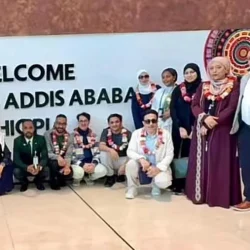
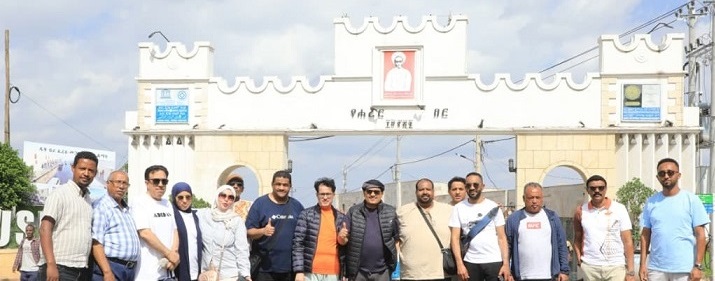

I visited the Ethiopian city of Harar, where I spent a pleasant time with media colleagues and a team from tourism and travel companies in Saudi Arabia. I have always dreamed of visiting Ethiopia and strolling around its lakes and gardens. It is located in East Africa, known as the Horn of Africa region, and tourists come to it from all over the world, traveling long distances to enjoy the green nature.
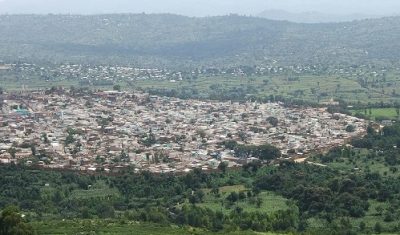
The Ethiopian city of Harar, nicknamed the “City of Five Gates,” has been transformed by its historical heritage into a “living laboratory” for the cross-fertilization of civilizations, and the month of Ramadan there becomes a unique sensory experience that blends the authenticity of the Horn of Africa with the spirituality of the Islamic East.
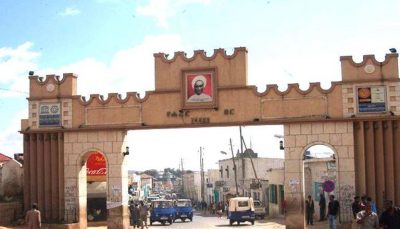
The old city is surrounded by the walls of Jaghoul, which were built by Prince Noor bin Mujahid in the sixteenth century to be a shield to protect this Islamic jewel and a center of scientific influence in the Horn of Africa.
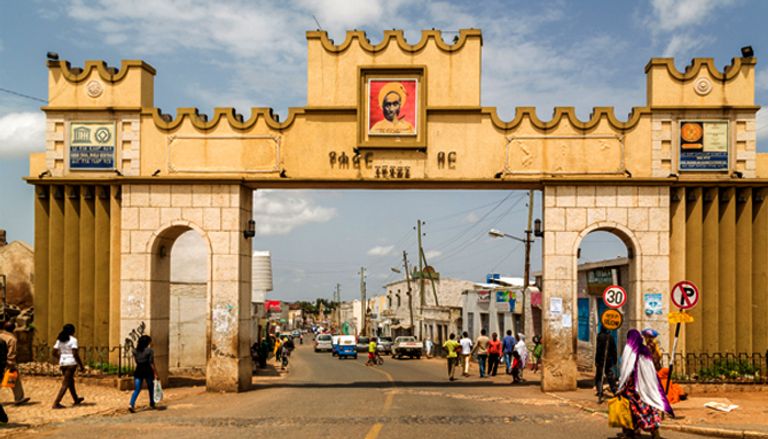
Harar is the historical center of Islamic life in Ethiopia, and one of the most exemplary centers where Muslims and Christians alike live in an atmosphere of mutual respect.
Mr. Arif, an official at the tourism office in the Harar region, explained: “Each of the city’s five gates has stories and meanings; from Shuwa to Budawa, and from Sobri and Erir to Arubare, these entrances open their arms to caravans and communicators, in a unique geographical and historical symbolism that connects the city to the outside world.”

The city’s alleys, which are not without some mazes, were designed to be narrow and winding with innate intelligence; they break the intensity of the mountain winds and act as a defense system that makes the stranger get lost in their charm, while the city’s son leads his heart towards the center where the paths meet amidst a building that has no corner or bend. In the city’s narrow streets you find goats, old men exhausted from chewing khat, and a boy who exchanges kicking a ball with me for several minutes.
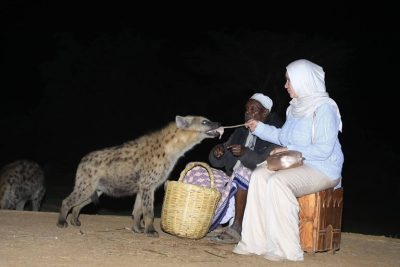
Harar is one of the oldest Islamic cities in East Africa, having been founded more than a thousand years ago. It represents a unique model that combines modernity and Islamic traditions. It was built in the traditional Islamic style inspired by ancient Islamic cities, and includes modern Harar and old Harar, known as the city of Jaghul.
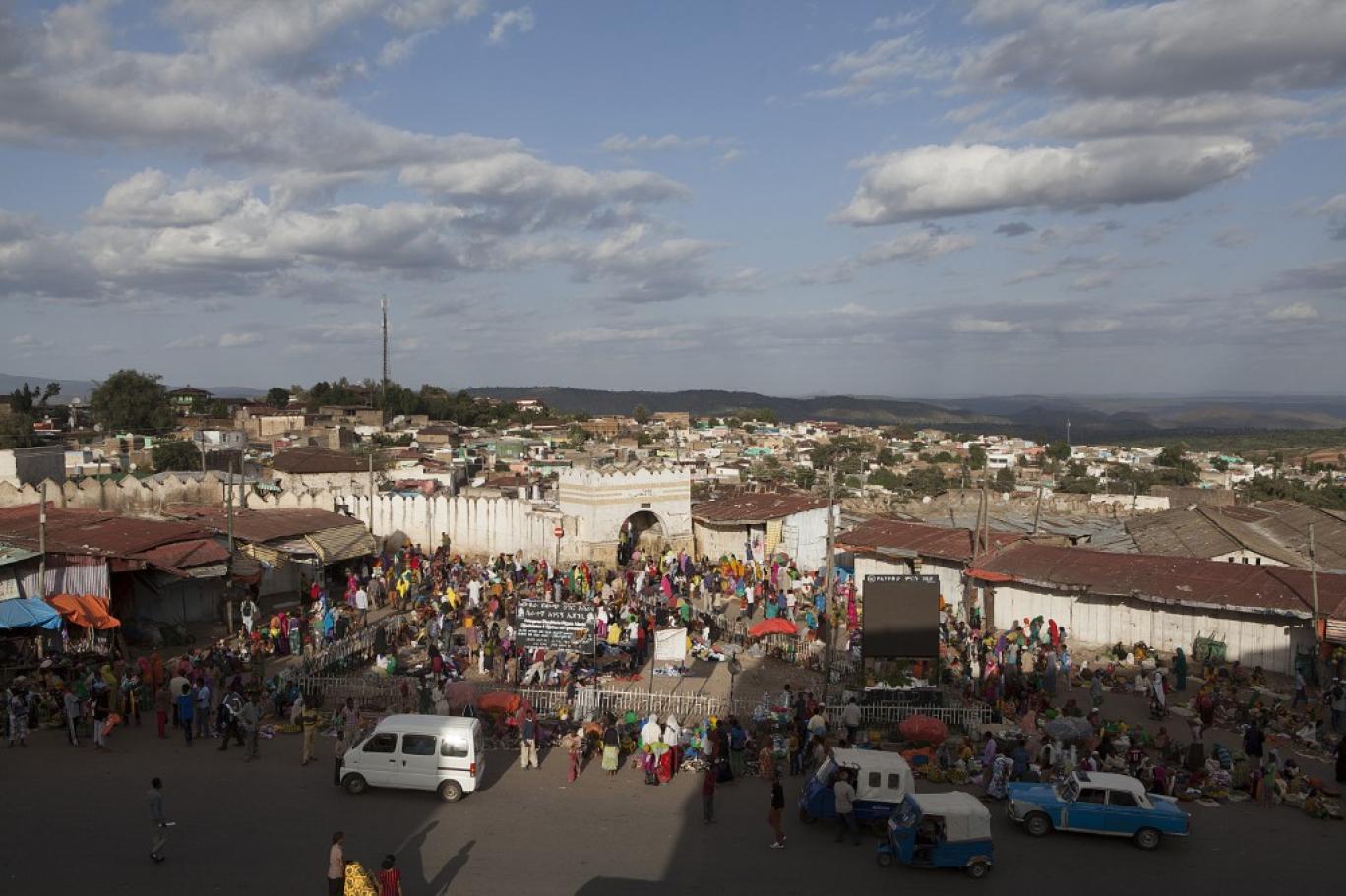
The city is surrounded by a massive wall built in the fifteenth century during the reign of Prince Nur bin Mujahid with the participation of Quran reciters, and used